Sculpture looks different outside. Daylight moves across the surface through the day, rain changes the colour of the stone, and passers-by decide how close to stand. These five habits will help you see an outdoor piece properly on your next walk.
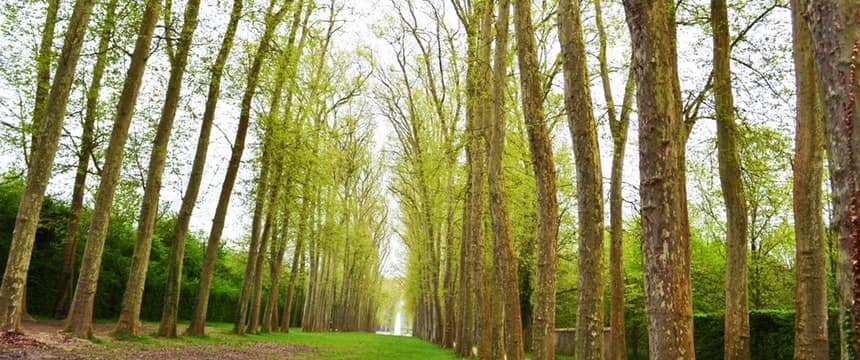
Look first at where the work meets the ground. A plinth that is too tall turns the piece into a remote object, while a low base lets you stand beside it and judge the scale. Sculptors often plan the base as carefully as the figure, so the join is worth a close look.
A figure that looks calm from the front may turn sharp from the side. Walk all the way round before you decide what the work is about, and note where its strongest angle sits. Tomas Varga builds his figures so that each side carries its own gesture, which rewards a slow circuit.
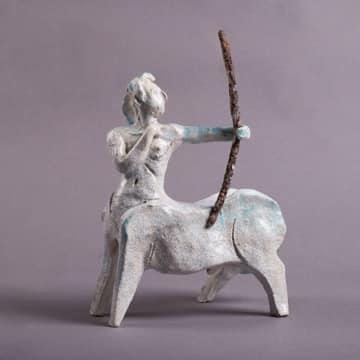
Stone darkens when it is wet, bronze picks up green in the hollows, and clay left outdoors weathers quickly. Ask how the surface was finished, because a glaze or a patina changes how it ages. A matte surface looks almost the same after a storm, while a glossy one shows every drop.
Some outdoor pieces are meant to be touched, sat on or walked around, and they show wear where hands land. Notice where the surface has worn smooth. That wear tells you how the work is used, and it is often the most honest record of a sculpture's life outdoors.
About the author. Mark Doyle is the Editor of the Art-Blog at Focus Gallery in Almaty. He writes about exhibitions and about the places where art meets the street.