A sea glaze is rarely about water alone. It is about light lying on moving surfaces, and the potter's real task is to hold that movement still through the firing.
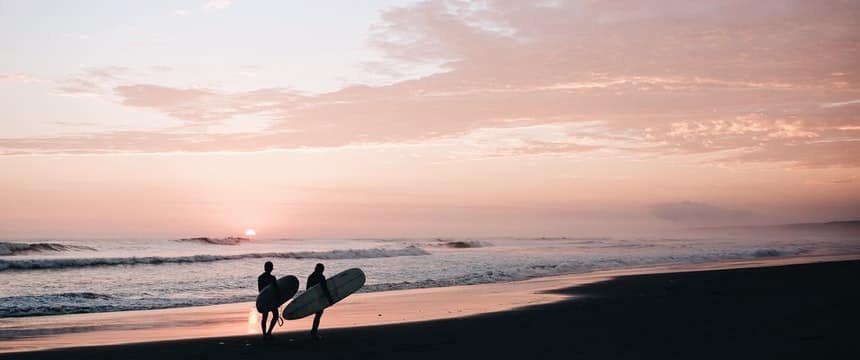
Waves change faster than any brush can follow, so potters block in the big shapes first: the dark band of deep water, the paler line of surf and the sky above. Judge the light by where it falls on the water near the shore, which is usually the brightest part of the scene.
Three or four glazes are often enough for the sea: a blue-grey, an ochre for warm sand and a clean white for the foam will cover most of a plate. Jordan Pittman works in a similar way when she starts from one glaze and lets it spread, although her subjects are flowers and fields rather than water.
Slip and glaze both need time between layers. Let each coat dry before the next, or the colours run and turn muddy. A sea glaze built this way keeps the sparkle of the light, because the base coat glows through the top layers.
Water looks different up close and from a distance. Step back every few minutes and check whether the motion still reads from across the room. If the sea looks flat from the door, the strongest shapes need more contrast, not more detail.
About the author. Mark Doyle is the Editor of the Art-Blog at Focus Gallery in Almaty.



